
Why Adult Friendships Feel So Hard
Mar 01, 2026If you’ve ever found yourself wondering why friendship feels so much harder now than it used to, you’re not imagining things.
When you’re a kid, friendship is almost accidental. You sit next to someone in school. You share a class, a team, a hallway, a routine. Time does most of the work for you. You don’t have to be intentional. You don’t have to lead. You don’t have to ask yourself whether you’re “doing it right.”
As an adult, it’s different.
You can go weeks or months without naturally crossing paths with someone new. Everyone’s busy. Lives are full. Schedules are packed. And even when you do meet people, something can feel strangely effortful about it. Conversations stay polite but shallow. You walk away thinking, That was fine… but I don’t feel closer.
For a lot of people, this creates a quiet, nagging question in the background:
Is something wrong with me?
There isn’t. But there are a few realities about adult friendship that most people never get taught.
The First Thing to Understand: This Isn’t a Motivation Problem
Many of the people I work with genuinely want deeper friendships. They’re not antisocial. They’re not avoidant in some obvious way. They care about connection.
But caring doesn’t automatically make friendship easy.
Often there’s a mix of things underneath the surface. A background sense of inadequacy. A feeling of being a step behind socially. A belief, sometimes barely conscious, that other people already have their people and don’t really need one more.
That belief alone creates a headwind. It subtly changes how you show up. It makes reaching out feel heavier. It makes initiating feel risky. And it makes every interaction feel like it’s being evaluated.
Friendship becomes something you try to earn instead of something you participate in.
Why “Just Put Yourself Out There” Doesn’t Work
You’ll often hear advice that sounds like this:
“Just get out there.”
“Join a group.”
“Talk to people.”
There’s truth in that, but it’s incomplete.
Yes, you do have to be where people are. Friendship doesn’t form in isolation. That part is mechanical. You need shared environments, shared time, shared context. That can be in person or virtual, but there has to be repeated contact.
The mistake is treating those environments transactionally.
If you go somewhere thinking, This night is only a success if I make a friend, you put enormous pressure on yourself and on the interaction. You’re no longer enjoying the environment. You’re evaluating it.
A much healthier starting point is choosing environments you already like. Places you would want to be even if you didn’t meet anyone. From there, connection becomes additive rather than performative.
The Leadership Gap Most Adults Don’t Want to Face
Here’s a truth that’s uncomfortable but important.
As an adult, you usually have to lead.
Waiting to be discovered doesn’t work very well anymore. Most people are cautious. Many are shy in their own way. Others assume you’re busy or uninterested unless you show otherwise.
Leading doesn’t mean dominating a room or becoming charismatic overnight. It means initiating small moments of connection. Saying hello first. Suggesting a coffee. Following up.
This is often where resistance shows up.
People think, Why do I always have to be the one to reach out?
Or, If they were really interested, they’d make the effort too.
Sometimes that’s true. And sometimes it’s just fear wearing a reasonable mask.
The reality is that connection requires someone to move first. Often, that someone is you.
The Story That Quietly Undermines Everything
Underneath many struggles with friendship is an old story that sounds like this:
Who would really want to be friends with me?
That story is rarely loud. It doesn’t announce itself. It shows up as hesitation. As second-guessing. As assuming you’re a burden or an interruption rather than a gift.
When that belief is active, even subtly, it affects everything. You wait longer to speak. You hold back parts of yourself. You let conversations stay safe because revealing more feels risky.
And then you wonder why connection doesn’t deepen.
Friendship doesn’t grow where you’re hiding.
Moving From “Do They Like Me?” to “Is This a Fit?”
One of the biggest shifts that unlocks adult friendship is moving out of a validation mindset and into a fit mindset.
Instead of scanning every interaction for signs of acceptance or rejection, you begin asking a different question:
Does this actually feel good to me?
That’s a very adult orientation.
It recognizes that not every connection is meant to go somewhere. That compatibility matters. That your time and energy are valuable.
You’re no longer trying to convince someone to choose you. You’re noticing whether there’s mutual resonance.
This shift alone reduces a huge amount of pressure. Conversations become exploratory rather than evaluative.
Stop Banging on Locked Doors
Most people spend too much time trying to make something work that isn’t working.
They push conversations uphill. They keep investing where there’s little response. They try to be more interesting, more engaging, more likable.
But every once in a while, you meet someone and it’s different. The conversation flows. You don’t have to manage it. You don’t have to perform. You can just be there.
That’s an unlocked door.
Those moments are not rare. They’re just easy to miss when you’re focused on proving yourself.
Instead of asking, Why don’t they like me?
Try noticing, Where does this feel open?
Your job isn’t to force connection. It’s to recognize it.
Why Emotional Bonding Matters More Than Frequency
Adult lives are busy. That’s not an excuse. It’s a reality.
What makes friendships survive busyness isn’t how often you see each other. It’s whether there’s emotional connection.
People protect what matters to them. They make time for what feels nourishing.
Emotional bonding doesn’t require oversharing or intense vulnerability. It usually happens one layer beneath surface conversation. Sharing what excites you. Naming what’s hard. Letting someone see a little more of who you actually are.
When that happens, something shifts. The connection moves from optional to meaningful.
You’re Not Behind. You’re Just Being Asked to Grow
If friendship feels harder now, it doesn’t mean you missed a window or failed some social test.
It means the rules have changed.
Adult friendship asks more of us. More self-leadership. More self-trust. More willingness to be seen without guarantees.
That can feel uncomfortable. But it’s also an invitation.
To show up more fully.
To choose more consciously.
To stop outsourcing your worth to other people’s reactions.
The truth is, there are people out there right now who would benefit deeply from knowing you. From connecting with you. From sharing life with you.
They just haven’t met you yet.
Or they have, and you haven’t let them see you.
Want to Go Deeper?
If you want to build confidence, connection, and self-trust from the inside out, a powerful place to start is here:
5 Steps To Unleash Your Inner Confidence
https://www.socialconfidencecenter.com/minicourse
Reading blogs and watching videos online is a start...
When you are ready to radically transform your confidence so you speak up freely, boldly go after what you want, connect easily with others and be 100% unapologetically yourself, coaching is the answer.

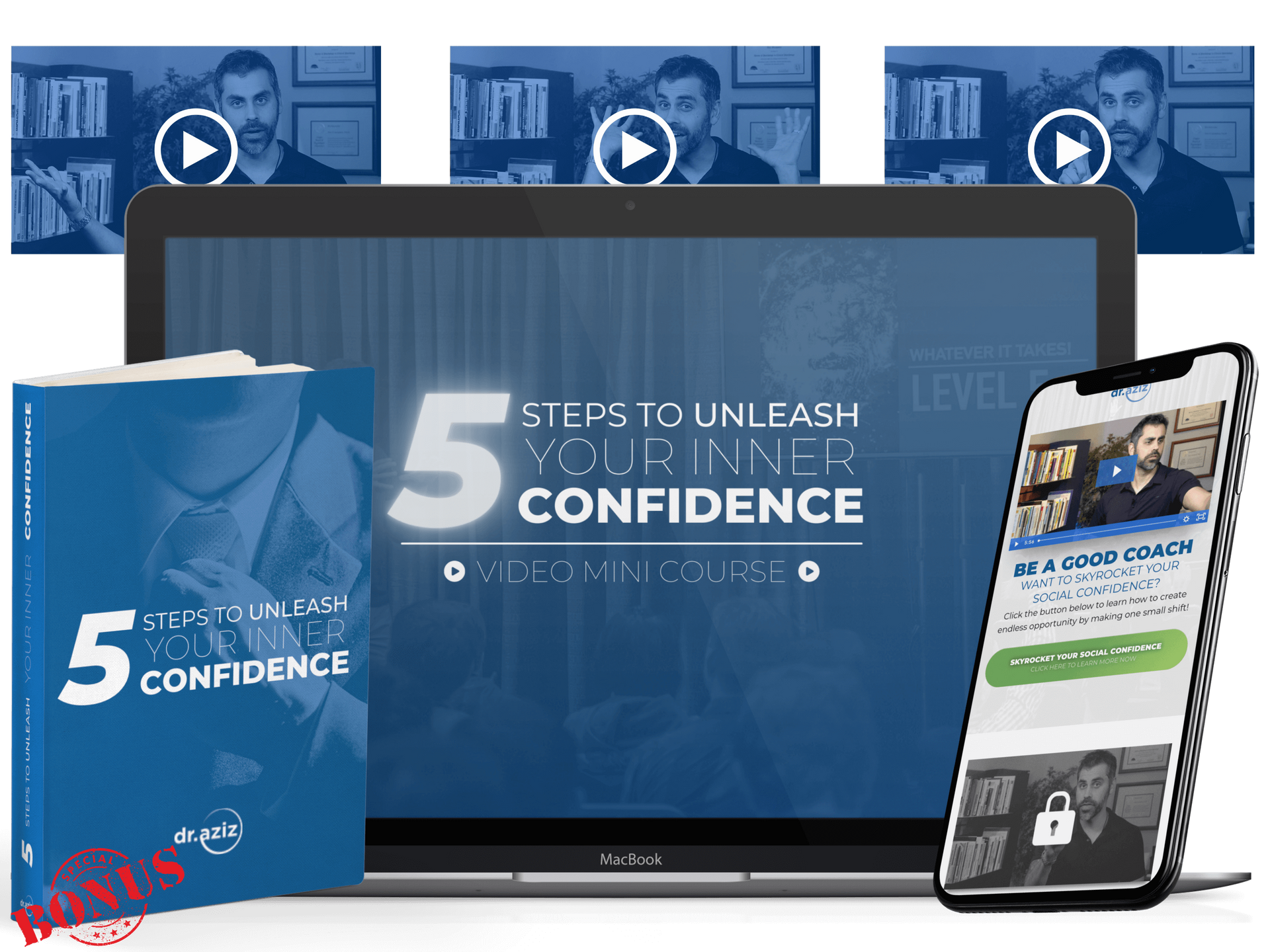
GET YOUR FREE CONFIDENCE MINI-COURSE NOW!
Unleash Your Inner Confidence Today!
Click On The Button Below To Get Your FREE Mini-Course Right Now!
GOT CONFIDENCE?

Confidence University is the culmination of all my years of work assisting others with overcoming social anxiety and building unstoppable confidence in its place. It's the next best thing to work with me one-on-one.