
Why Boundaries Don’t Work Without Healthy Entitlement
Mar 16, 2026Most people who struggle with boundaries don’t struggle because they don’t know what a boundary is.
They can usually explain the concept clearly. They’ve read the books. They understand that boundaries are about saying no, expressing preferences, and not overextending themselves.
And yet, when the moment comes, something freezes.
They hesitate.
They soften their words.
They add explanations that weren’t necessary.
Sometimes they don’t speak up at all.
What’s missing in those moments isn’t skill. It’s entitlement.
What I Mean by Healthy Entitlement
When I use the word entitlement, people often tense up. They associate it with selfishness, arrogance, or a lack of consideration for others.
That’s not what I’m talking about.
Healthy entitlement is the quiet, internal permission to have preferences. To take up space. To say what works for you without needing to justify it.
It’s not about demanding anything from anyone. It’s about believing, at a nervous-system level, that your experience matters.
Without that belief, boundaries feel foreign and risky, no matter how much you understand them intellectually.
Why Boundaries Feel So Heavy for “Nice” People
A lot of conscientious, thoughtful people learned early that being agreeable kept things smooth. They learned to read the room, anticipate needs, and avoid creating discomfort.
Those skills are not problems. They’re strengths.
The issue arises when those strengths become compulsory. When you feel responsible for how others feel, even at the expense of yourself.
In that state, setting a boundary doesn’t feel like a neutral act. It feels like a violation. Of expectations. Of roles. Of who you’re allowed to be.
That’s why boundaries can come with so much guilt.
A Simple Example That Reveals the Pattern
We talked in the call about a small, ordinary situation. Someone notices that the noise from a neighboring table is bothering them. They want to ask for it to be lowered or for a change in seating.
On the surface, it’s a simple request.
But inside, a whole cascade starts.
Is this reasonable?
Am I being difficult?
What if they think I’m entitled?
If you don’t feel entitled to comfort, you’ll talk yourself out of asking. Not because the request is wrong, but because your system doesn’t believe it’s legitimate.
Boundaries Are Preferences Made Visible
One of the most useful reframes is seeing boundaries not as confrontations, but as preferences.
You’re not declaring a rule.
You’re expressing what works for you.
“I can’t stay late tonight.”
“I need quiet to focus.”
“That doesn’t feel good for me.”
Those statements don’t require permission. But they do require entitlement.
If you don’t believe you’re allowed to have preferences, boundaries will always feel like an overreach.
Why Forcing Boundaries Backfires
Some people try to muscle their way through this by being more assertive. They practice scripts. They push themselves to say no harder.
That can work temporarily, but it often leaves a residue.
Afterward, they feel shaky. They replay the interaction. They wonder if they were too much.
That’s because the external behavior outpaced the internal permission.
When entitlement hasn’t caught up, the nervous system stays in threat mode, even if the boundary “worked.”
How Healthy Entitlement Develops
Entitlement doesn’t come from repeating affirmations. It grows through lived experience.
Each time you express a preference and survive the discomfort, something updates. Each time you allow someone else to be disappointed without fixing it, your system learns that connection can hold.
Over time, the urgency softens. The guilt fades more quickly. Boundaries stop feeling like emergencies and start feeling like information.
That’s when they become sustainable.
Boundaries Without Entitlement Create Rigidity
There’s another side to this that’s worth mentioning.
When people try to set boundaries without entitlement, they often swing into rigidity. They become abrupt or defensive. They rely on rules instead of presence.
That’s not because they’ve become selfish. It’s because they’re still protecting themselves.
Healthy entitlement allows boundaries to be firm without being harsh. Clear without being brittle.
The Real Marker of Progress
A useful way to gauge whether entitlement is growing isn’t how often you say no. It’s how quickly you settle afterward.
When entitlement is present, boundaries don’t create internal chaos. You don’t need to justify yourself endlessly. You don’t feel the urge to repair something that wasn’t broken.
You trust that expressing yourself is allowed.
And that trust changes everything.
Reading blogs and watching videos online is a start...
When you are ready to radically transform your confidence so you speak up freely, boldly go after what you want, connect easily with others and be 100% unapologetically yourself, coaching is the answer.

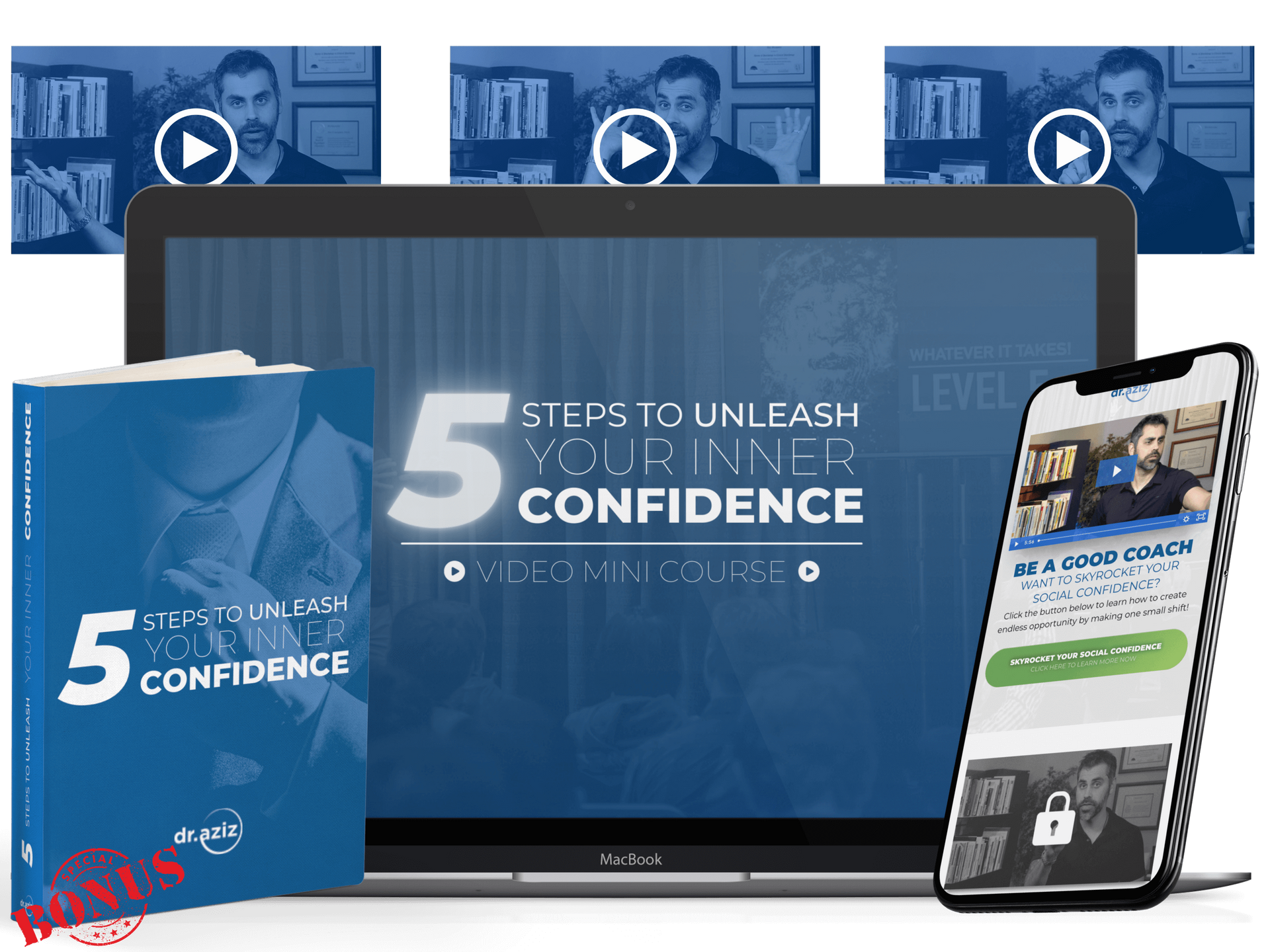
GET YOUR FREE CONFIDENCE MINI-COURSE NOW!
Unleash Your Inner Confidence Today!
Click On The Button Below To Get Your FREE Mini-Course Right Now!
GOT CONFIDENCE?

Confidence University is the culmination of all my years of work assisting others with overcoming social anxiety and building unstoppable confidence in its place. It's the next best thing to work with me one-on-one.