
Why Smart, Capable People Get Stuck in a Holding Pattern
Mar 22, 2026One of the most painful places to be in life is not failure.
It’s suspension.
You’re not crashing. You’re not imploding. On the surface, things are fine. You’re functioning. You’re responsible. You’re getting through your days.
And yet, underneath it all, there’s a sense of being on pause. Like life hasn’t quite started yet. Or like you’re circling, waiting for permission to land.
People don’t usually describe this dramatically. They say things like, “I just feel stuck,” or “I know I’m capable of more,” or “I don’t know what I’m waiting for, but I keep waiting.”
That’s the holding pattern.
Why the Holding Pattern Is So Hard to See From the Inside
What makes the holding pattern especially difficult is that it often looks reasonable.
You tell yourself you’re being thoughtful. Strategic. Responsible. You’re gathering information. You’re preparing. You’re working on yourself so you’ll be ready when the time is right.
From the outside, it can even look admirable. You’re not reckless. You’re not impulsive. You care about doing things well.
But over time, something subtle shifts.
Preparation quietly replaces participation.
Reflection replaces movement.
Readiness becomes a moving target.
And months turn into years.
The Logic That Keeps People Stuck
There’s a particular internal logic that sustains the holding pattern. It usually sounds something like this:
Once I feel more confident, then I’ll…
Once I figure this out, then I’ll…
Once I’m more certain, then I’ll…
The assumption underneath all of it is that confidence precedes action.
But in real life, confidence almost always follows action. Or more accurately, it follows surviving action without collapsing.
When you reverse that sequence, you end up waiting for a feeling that can’t arrive on its own.
Why Smart People Are Especially Vulnerable
This pattern shows up disproportionately in intelligent, reflective, conscientious people.
People who can think deeply about consequences. People who can imagine multiple futures. People who feel responsibility not just for themselves, but for others.
Those capacities are strengths. But when anxiety gets involved, they turn inward.
Instead of helping you navigate life, your intelligence starts building arguments for delay. Your self-awareness becomes self-monitoring. Your values become pressure.
You don’t stop because you can’t act.
You stop because you can imagine too many ways it could go wrong.
The Cost of Staying Safe Too Long
In the short term, staying in the holding pattern feels stabilizing. You avoid risk. You avoid embarrassment. You avoid the discomfort of being seen before you’re ready.
But over time, the cost accumulates.
There’s a quiet erosion of self-trust. A sense that you’re capable in theory but unproven in reality. You start to doubt yourself not because you’ve failed, but because you haven’t tested yourself.
The nervous system doesn’t get the feedback it needs. It never learns that you can move, adapt, recover.
So the threshold for action keeps rising.
The Moment People Usually Miss
What finally breaks the holding pattern is rarely certainty.
It’s friction.
A deadline.
A conversation that lands too close to home.
A realization that time is passing whether you act or not.
Sometimes it’s a quiet moment where you notice the gap between who you are and how you’re living, and something in you says, I can’t keep circling.
That moment doesn’t feel heroic. It often feels uncomfortable and sobering.
But it’s honest.
Commitment as an Antidote to Collapse
One of the most misunderstood ideas in personal growth is commitment.
People often treat commitment as a reward for feeling ready. In reality, commitment is what creates readiness.
When you commit, you introduce friction into the system. You give your nervous system something solid to push against. You stop renegotiating every step internally.
That doesn’t eliminate fear. But it organizes it.
Instead of endless internal debate, there’s movement. Instead of circling, there’s direction.
Why Waiting for the “Right Version” of You Doesn’t Work
Another quiet belief that fuels the holding pattern is the idea that there’s a better version of you that needs to emerge before life can begin.
More confident.
More healed.
More certain.
The problem with that belief is that it turns growth into a prerequisite rather than a process.
You don’t become that version by waiting. You become it by living.
By making choices before you feel completely ready. By allowing yourself to be seen while still figuring things out. By tolerating the discomfort of being in motion.
What Movement Actually Looks Like Here
Breaking the holding pattern doesn’t usually mean dramatic leaps.
It often looks like choosing one thing to move toward and letting that be enough for now. One commitment that introduces momentum. One arena where you stop hedging.
The key is that the decision is lived, not endlessly evaluated.
Once movement begins, the system updates. Confidence starts to grow not because you solved everything, but because you’re no longer frozen.
A Different Relationship With Time
One of the most painful realizations people have is noticing how long they’ve been waiting.
That realization doesn’t need to turn into regret. It can turn into clarity.
You don’t need to punish yourself for the time spent circling. You needed safety. You needed understanding. You needed to survive.
But at some point, safety becomes confinement.
And that’s when the question quietly changes from “Am I ready?” to “Am I willing to live?”
That question doesn’t demand certainty.
It asks for presence.
And presence is enough to begin.
Reading blogs and watching videos online is a start...
When you are ready to radically transform your confidence so you speak up freely, boldly go after what you want, connect easily with others and be 100% unapologetically yourself, coaching is the answer.

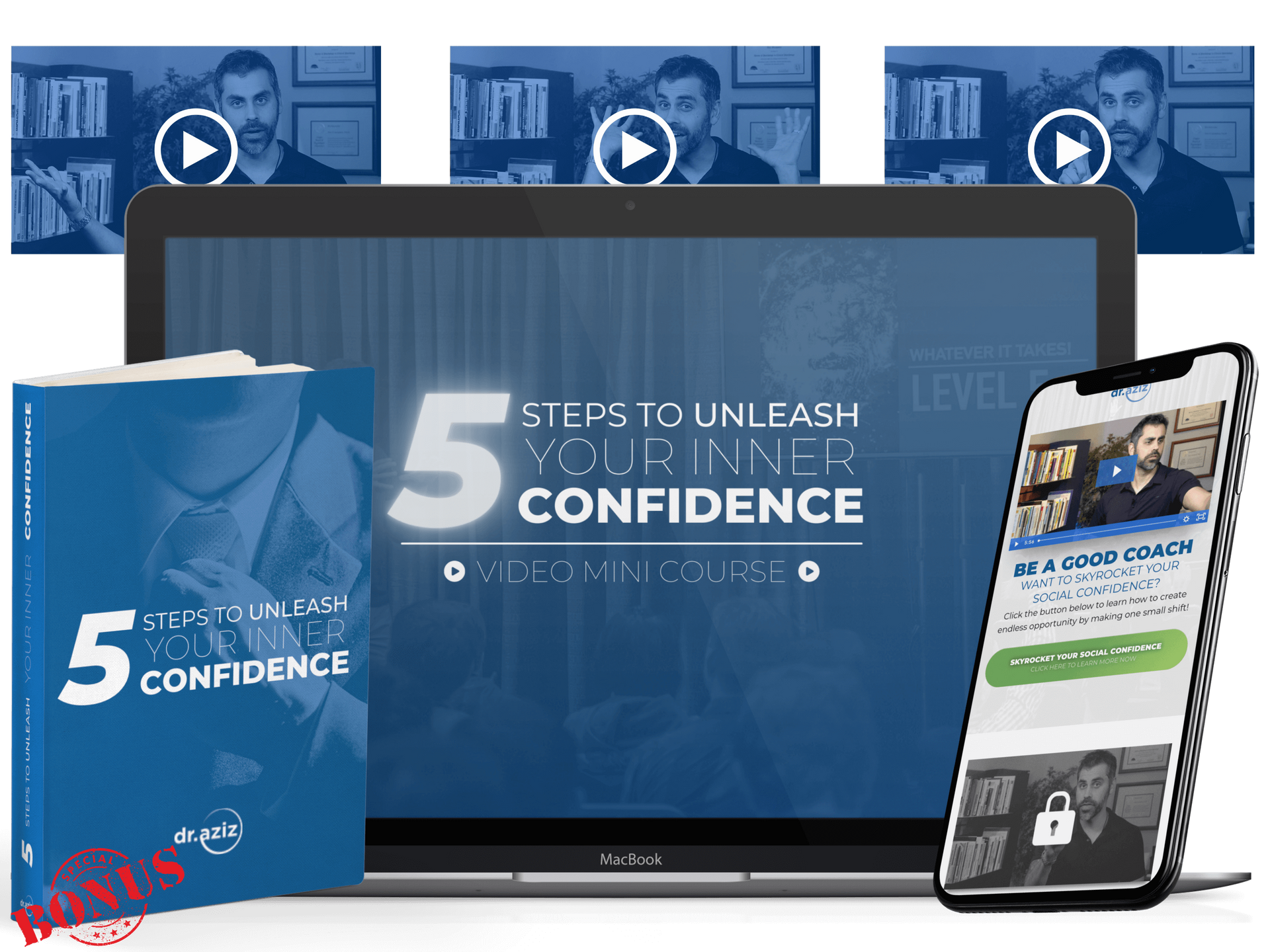
GET YOUR FREE CONFIDENCE MINI-COURSE NOW!
Unleash Your Inner Confidence Today!
Click On The Button Below To Get Your FREE Mini-Course Right Now!
GOT CONFIDENCE?

Confidence University is the culmination of all my years of work assisting others with overcoming social anxiety and building unstoppable confidence in its place. It's the next best thing to work with me one-on-one.