
Why Am I So Awkward Around People? Social Anxiety Explained
anxiety journey awkward moment awkwardness coping with anxiety fear of rejection feeling unworthy release your self social anxiety struggles why social anxiety makes you awkward Aug 08, 2024If you feel awkward around people, it does not automatically mean you lack social skills or have a broken personality. Often, the pressure to perform is pulling your attention away from the conversation itself.
You start monitoring every word, facial expression, pause, and reaction. That self-monitoring can make it harder to listen, respond naturally, and recover from ordinary social bumps. Then the awkward moment seems to confirm the fear that started it.
Here is how that cycle works and what you can practice instead.
Why Social Anxiety Can Make You Feel Awkward
When you are worried about being judged, part of your attention stays fixed on questions like: Do I look nervous? Was that stupid? Are they losing interest?
That leaves less attention for the person in front of you. You may freeze because you are searching for the perfect response, rush to fill every silence, or ramble because you are trying to repair an interaction that may not need repairing.
These reactions can happen with social anxiety, but they are not proof of a diagnosis. Tiredness, unfamiliar settings, stress, and ordinary uncertainty can also make a conversation feel clumsy.
The Awkwardness Spiral
A common pattern looks like this:
- You enter a conversation expecting judgment.
- You monitor yourself instead of staying with the interaction.
- You pause, stumble, go blank, or over-explain.
- You interpret that moment as evidence that something is wrong with you.
- You become more anxious the next time.
The goal is not to eliminate every pause or guarantee that nobody finds you awkward. The goal is to stop turning normal human imperfection into a verdict on your worth.
1. Move Your Attention Outward
Pick one thing to notice outside yourself: the other person's words, the story they are telling, or what you are genuinely curious about.
You do not have to force intense eye contact or invent a dazzling response. Listen for one detail and ask a simple follow-up question. Curiosity gives your attention somewhere more useful to go than constant self-evaluation.
2. Let a Pause Be a Pause
A brief silence is not an emergency. Take one breath, let your shoulders soften, and give yourself a moment to think.
If you lose your train of thought, you can say, “I lost my thought for a second,” and continue. If you do not know what to say, a basic response such as “Tell me more about that” can keep the conversation moving without pretending.
3. Practice Recovering, Not Performing
Confidence is not flawless performance. It is knowing you can recover when a moment feels imperfect.
Start with a manageable interaction: make a brief comment to a coworker, ask a cashier a genuine question, or stay in a group conversation one minute longer. Afterwards, ask what actually happened instead of grading yourself on how smooth you seemed.
Try This Before Your Next Conversation
- Set one intention: “I am here to connect, not perform.”
- Choose one outward focus: Listen for a detail you can respond to.
- Allow one imperfect moment: A pause, stumble, or ordinary answer is permitted.
- Review fairly: Name one thing that went better than your anxious mind predicted.
If social fear is persistent, intense, or interfering with work, relationships, or daily life, consider speaking with a licensed mental health professional for personalized support.
If approval pressure drives your self-monitoring, you can also discover your Approval Type. For a deeper guide to showing up more honestly, explore Not Nice.
Reading blogs and watching videos online is a start...
When you are ready to radically transform your confidence so you speak up freely, boldly go after what you want, connect easily with others and be 100% unapologetically yourself, coaching is the answer.

Dr. Aziz Gazipura
Author
Dr. Aziz is the world’s leading confidence expert. He helps people break free from hesitation, fear, and self-doubt so they can rapidly grow their businesses, become more powerful leaders, and enjoy outstanding relationships.
CATEGORIES
All Categories #2024 #attract #authenticity #confidence #confident #controlling #empathy #empowerment #freedom #growth #needy #nice #niceness #observing #presenting #repetition #responsibility #self-belief #selfdoubt #sociallyconfident acceptance adult friendship affirmation works afraid of everything always needing approval always on am i a people pleaser am i a people pleaser or just kind am i a people-pleaser am i actually an introvert am i introverted or just anxious ambition vs wellness anxiety anxiety awareness anxiety journey anxiety relief anxiety support anxious mind approach with ease approval approval addiction approval economy approval seeking culture approval seeking from authority figures approval seeking patterns asking asking for what you want assertive assertiveness assertiveness training doesn't work attachment styles attention seeker aura of authority authentic authentic connections authentic living authentic self authentic thriving authentically you authenticity authenticity attracts authenticity in everyday life authenticity wins authenticself avoid mistakes avoidance avoidant attachment avoiding confrontation avoiding difficult conversations awareness awkward in groups awkward moment awkwardness bad presentation be authentic meaning be confident be interesting be seen be your own boss be yourself be yourself advice being assertive without being aggressive being authentic instead of impressive being direct and assertive being too nice being too sensitive to negative feedback being yourself in social situations believe in yourself believes in yourself best self big chance body positive bold action bold authenticity boldness boost selfesteem boost your confidence boosting confidence boundaries boundaries without justification brave heart bravery break cycle break free break the silence break-free breakfree now breaking free from social anxiety breaking silence breakup breakupfears build friendship building confidence building trust building up burnout culture can i say no just because i don't want to can't be myself around people can't relax around people can't say no to people can't stop seeking approval can't stop thinking about what i should have said can't stop worrying about approval can't stop worrying what people think capability caring too much what people think challenges change changes chase you dream chasing balance chasing dreams chronic performance anxiety chronic social anxiety story clients secret comfort zone advice fails commitment communication skills comparing comparison anxiety confidence confidence boost confidence booth confidence bost confidence building confidence coach confidence goals confidence hack confidence hacks confidence is key confidence journey confidence matter confidence mindset confidence mistake confidence reset confidence risk confidence tips confidence truth confidence unlock confidence unlocked confident approach confident mindset conflict conflict avoidance connecting deeply connection connection matters conquer anxiety conquer insecurities consistent practice constant need for validation contradiction control conversation conversation confidence conversation ettiquette conversation skills conversation starter conviction coping with anxiety courage courage over fear cringe criticism criticism hurts criticism proof cycle danger dealing dealing life dealing with hate comments deep conversations deep talk deeper connections deliberate practice desensitize difference between being defensive and defending yourself difference between introvert and anxious diplomat avoider fixer performer discomfort tolerance disconnect fear discourage deflated dislike disliked do i need an excuse to say no domination doubt as the default doubtless drained after socializing earning confidence effective communication eliminate problems embrace confidence embrace flaws embrace imperfection embrace mistake embrace your self embrace your voice emotinal armor emotional caretaking emotional freedom emotional growth emotional resilience emotional wellbeing emotional wellness emotionally healing empathy empower mind empower yourself empowered thinking empowerment empowerment at work end thoughts entitlement exposed exposure exposure therapy not working external validation eye contact face fears face your fears facing your fears doesn't work failure fast transformation fear fear avoidance fear behind fear freedom fear of being defensive fear of being disliked fear of confrontation fear of disappointing people fear of disapproval as an adult fear of jjudgement fear of judgment fear of judgment as a kid fear of judgment at work fear of people fear of putting yourself out there fear of rejection fear of saying no fearless fearless live more fearless living fearless mindset fearless within feedback feel anxious even when people like me feel guilty saying no feeling self-conscious in meetings feeling stuck feeling unworthy filters find your passion free friendship friendship goals friendship journey friendship tips genuine relationships glow through goals good energy good enough gradual exposure gratitude greater confidence greatest fear growth mindset guilt guilt around boundaries guilty happiness hard truth healing from social anxiety healing in progress healing journey healing starts healing together healing within healthy ambition healthy entitlement hesitant voice hidden desire hiding vulnerability high-functioning anxiety highly sensitive person anxiety holding back holding back what you want to say holding people accountable holding your ground honesty hopeless how to be more yourself how to communicate preferences how to find your values how to get taken seriously at work how to say no without a reason how to stop being too nice at work how to stop caring what people think how to stop replaying a conversation how to stop ruminating identity imposter syndrome imposter syndrome despite success imrprovement inadequacy inferior inferiority inner critic inner glow inner growth inner peace inner power inner strength inner work insecurity inspiratins inspiration integrity interesting interrupting interviewmastery intimacy introversion and anxiety introvert vs social anxiety invisibility isolation jobconfidence jobinterview kills joy lack of confidence at work lack of self-trust leadership leadership authority learn and grow learning freedom less sensitive level up liberty journey lie life on your terms likeability likeable live authentically live boldly live with purpose live your best life living authentically living with social anxiety love yourself low confidence making friends making stronger master smalltalks meaningful talk meet new people mental health mental health awareness mental health matters mental strength mentality mindful ambition mindful living mindset mindset mastery mindset matters mindset shift misleading signals missed oppurtunities mistakes monitoring myself in conversations motivation moving on nagging navigating relationships need for approval symptoms need to be liked needy needy energy negative thoughts nervous system and social anxiety never feeling good enough new connection nice niceness not nice omos others opinion outsourcing your self-worth over analyzing over comparison over-giving in relationships overcome overcome awkwardness overcome challenges overcome comparison overcome fear overcome fears overcome insecurity overcome phobias overcome shyness overcome voice anxiety overcoming fear overcoming obstacles overthink club overthinking a conversation overthinking conversations own your life past mistakes pattern people pleaser no more people pleaser personality people pleaser personality test people pleasing people pleasing quiz people pleasing signs people pleasing vs kindness people-pleasing people-pleasing and boundaries people-pleasing and saying yes people-pleasing at work people-pleasing types perceiving reality perfectionism perfectionism and burnout perfectly imperfect performance anxiety performance anxiety at work personal development personal growth personal power phobia polite but firm poor posture positive minds positive mindset positive thinking power revealed presence presentation skills pressure pressure to be liked professional growth public confidence public speaking pushing back on criticism pushing through fear pushy radiate confidence real stories real unfiltered realism reality realtalk moments reclaiming authority reclaiming your worth redefine success regainconfidence regrets rejection rejection proof relationship release your self resilience respect conversation responsible rewriting story romantic confidence rumination after an argument sabotaging confidence saying no second-guessing yourself secret to confidence seeking rejection seen self acceptance self advocacy self assurance self authority self awareness self belief self boundaries self care self compassion self confidence self connection self determination self discovery self doubt self empowerment self esteem self esteem boost self growth self growth journey self improvement self judgement self love self love journey self reflection self value self worth self-attack self-consciousness and social anxiety self-doubt despite success self-esteem selfcare selfesteem selflove journey selftalk matters selfworth first selfworth matters selfworth saga sensitive setting boundaries feels hard sex shame recovery share more shift mindset shifting perspective shyness in adulthood signs signs you need people to like you too much silent confident singleness slay insecurity small steps smalltalk confidence smooth conversations so what social anxiety social anxiety and authenticity social anxiety in adults social anxiety patterns social anxiety struggles social anxiety with authority figures social awareness social confidence social connections social freedom social media social media and self-worth social skills social success softening what you say sound better speak up speak up for mental health spontaneous stand up for yourself standing up for yourself at work stay confident steadiness still anxious after facing fears stop being afraid stop comparing stop overthinking stop pleasing strength striving for more struggles success success without sacrifice successful sure sign take action take control taking criticism too personally taking risk talk ease talk to anyone talking the avoider pattern the diplomat approval pattern the fixer pattern the most attractive version of yourself the performer pattern therapeutic journey therapy helps therapy works too nice too nice in relationships total ownership toxicity transform your life transform yourself transformation transformative insight true connections true self truth bomb trying to impress people turning point twenty years of social anxiety types of people-pleasers unappologetically me uncertainty uncomfortable growth undermining words unfinished business unlearning patterns unlock your potential unmask doubt unshakeable mindset unspoken strength validation seeking visibility voice acceptance voice confidence voice journey vulnerability want what are my core values what do i really want what social anxiety actually feels like when kindness becomes compulsion when to defend yourself when upset why am i so nice why being direct isn't enough why can't i set boundaries why can't i stop replaying conversations why can't i stop seeking approval why can't i stop thinking about that comment why confidence techniques don't work why criticism hurts so much why do i feel self-conscious why do i have to explain saying no why do i still doubt myself why doesn't "care less" work why don't people take me seriously why i can't be myself around certain people why i can't say no to people i love why i can't speak up why i freeze in front of my boss why i need approval from my parents why i still care what people think why i'm not myself around people why i'm too nice why isn't being liked enough why one negative comment ruins your day why parties exhaust me why saying no feels guilty why social anxiety makes you awkward why social media makes me anxious why their opinion still affects me why we care what people think wins work work life balance workplace workplace confidence workplace wellbeing worried about what people think you are enough you are not alone you are the authority you got this you matter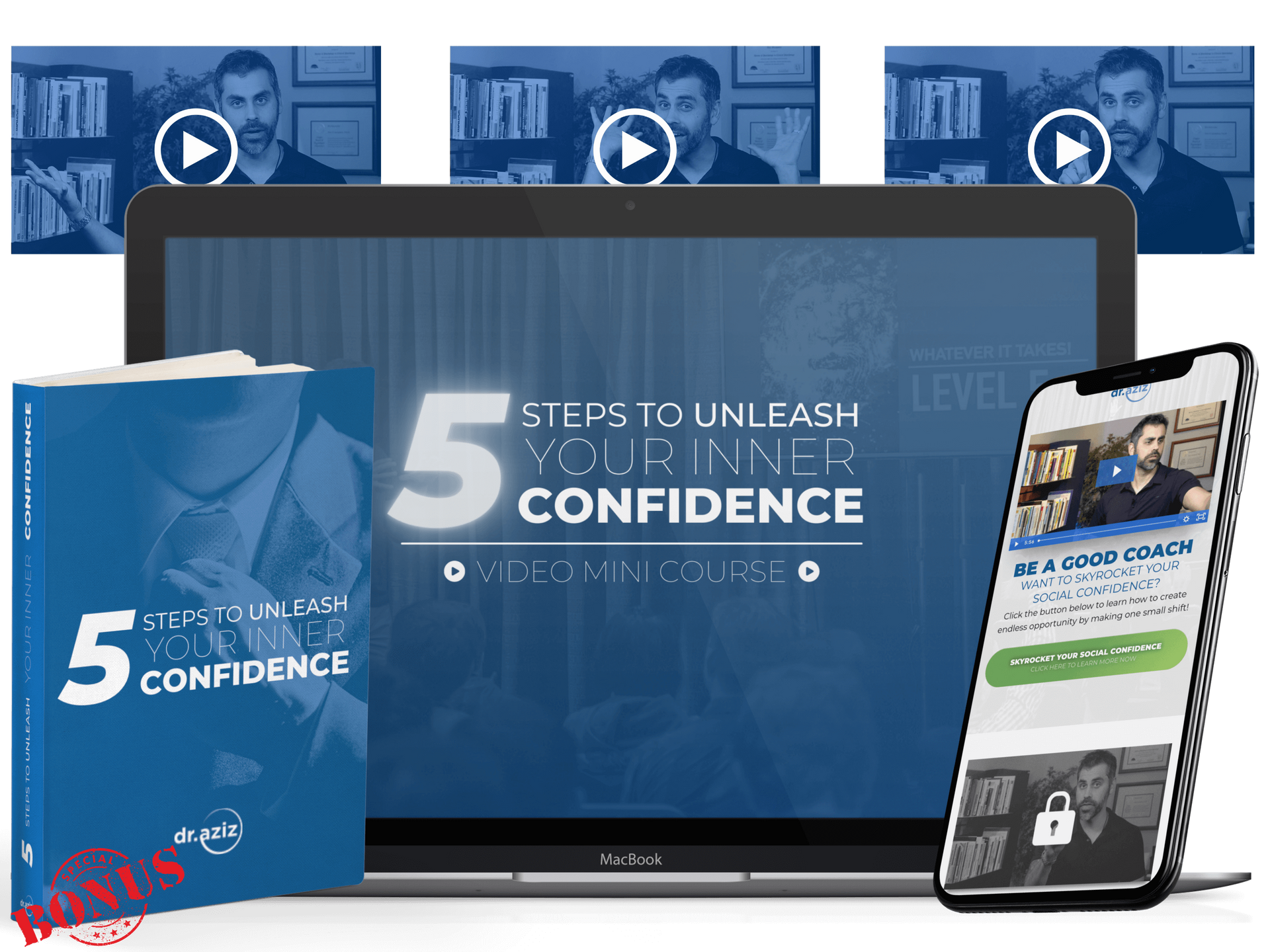
GET YOUR FREE CONFIDENCE MINI-COURSE NOW!
Unleash Your Inner Confidence Today!
Click On The Button Below To Get Your FREE Mini-Course Right Now!
GOT CONFIDENCE?

Confidence University is the culmination of all my years of work assisting others with overcoming social anxiety and building unstoppable confidence in its place. It's the next best thing to work with me one-on-one.